Mixer:
The mixer is a electronic device and a fundamental source in music and it changes the dynamics and quality of an audio as well as combining audios. Mixer cans be used in many situations but most are typically found in recording studios. Mixer are outputs for cables and microphones.
There are two types of Mixers: Digital and Analogue.
https://en.wikipedia.org/wiki/Mixing_console
https://www.youtube.com/watch?v=7JP8K8IQ0ws
The Analogue mixer is a traditional mixer which has an outboard gear which makes the mixer harder to carry .This mixer sends the audio signal in it's original form. On the analogue mixer, all the features are labelled so it is recommended that those who are beginners use the analogue mixer.The reason why an analogue mixer needs a outboard gear is for the power amplifier.
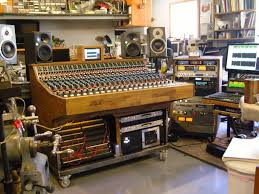
However, the Digital mixer has the gear inside so it is smaller in size.This mixer is an electronic that using digital computers rather then analog signals. Digital mixers are on desks and are robust so they are not easy to break or damage. The digital mixer can be found in recording studios broadcasts, TV and film productions. Digital mixers can just be set up from the computer instead of the mixing console which helps with mobility as there is not a lot of equipment to navigate. The benefit of a digital mixer is that there is no added noise from the background or unappealing sounds like distortion.
https://en.wikipedia.org/wiki/Digital_mixing_console
Going down a strip, there different knobs and buttons are there to give a specific effect. The order is generally the same on most mixers.
https://www.dawsons.co.uk/blog/the-mixer-and-its-feature
Gain pot- amplifies(gives power)
Auxiliary-sends audio signals elsewhere called be also called another output.
EQ- stands for equaliser. Emphasises or tones down the frequency.
Pan Pot- changes the direction of the sound in the speakers from left to right.
Amplifier- this is what gives power to the speaker. An external power amplifier is used for passive speakers as they do not have an amplifier internally like the active speaker.
NLR or ST: the button that tells the signal where it should go.
Solo: this is a button on the to play to single an audio.
Fader- turns up or down the volume.
Master Channel
The master channel is superior compared to the other channels.If the master channel is not on and working then the sound will not come out. The fader on the master channel should be up to U which stands for unity.
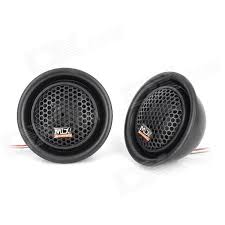
This is a treble speaker or type of loud speaker is made for high frequencies from 2,000 to 20,000 Hz for the upper limit of human hearing. The name connotes with the high pitch vocals of certain birds. It uses a voice coil which is a coil of wire wrapped around the top part of a loud speaker. This loud speaker has many different purpose from musical to scientific research. An electromagnet moves th cone back and forth.
https://en.wikipedia.org/wiki/Tweeter
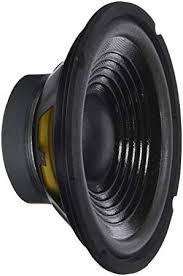
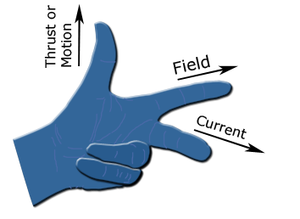
This loud speaker is designed for the low frequencies from 40 to 500Hz. The word is derived from a dog's bark. It is shaped like a stiff paper cone. The voice coil is surrounded in a magnetic field. The coil moves to the Fleming's Left Hand Rule. Because of their low frequency range, these speakers emphasises the bass of music. There are also subwoofer speakers that have a frequency from 20-200Hz
https://en.wikipedia.org/wiki/Woofer
An Active speaker is electronic and has a built in amplifier. Because of this, active speakers can be connected directly to a mixer. Active speakers are also known as powered speakers.
These speakers have many purposes,they are used in live music venues,computer speakers and dance events.
A passive speaker does not have an amplifier and it needs it's own separate power supply. Passive speakers only need to use a cable that transmit both audio and power. Home stereos and hifi speakers are usually passive.
https://www.electronichouse.com/home-audio/active-vs-passive-speakers-use/

First thing is that the jack cable should come out the main output and then goes into the main output. The NL8 cable goes into the passive speaker.
This process is for making sure the audio signals is travelling to the passive speaker.
NLR- sends the signal to the channel selected, it is typically the master channel, so we know where the audio signals are travelling.
Make sure that the cables are slotted in correctly, a speak on cable has to be twisted to put it in properly.
 this is a moving coil.

The membrane is the electrical conductor, the material that allows the electrical current to travel in several directions. The membrane moves inside the magnetic gap. Therefore it is able to follow the motion of the sound waves. Ribbon microphones have lower sensitivity and output than a moving coil. Ribbons are equally sensitive to the sound waves in both directions, the front and rear.
Unlike moving coil microphones, ribbon microphone are fragile and should be treated with care.
https://en.wikipedia.org/wiki/Ribbon_microphone
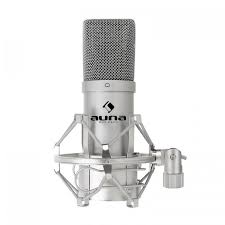
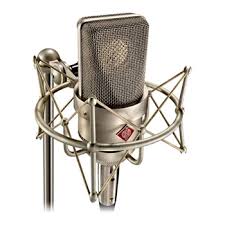
Condenser microphones are sensitive to loud sounds and vulnerable to breakage. They have a large output. Usually, condenser microphones are found in studios. However, you can also find these microphones in live music venues used as a drum overhead or in orchestral/choral performances. Condensers have large diaphragm. They are also known as capacitor microphones. The thin membrane must be electrically conductive and be close to a solid metal plate. The metal plate can be made out of thin metal foil or gold sputtered mylar.
The membrane moves back and forth proportionally to the metal plate when the sound waves hit the membrane, causing the distance between the plate to change.
The capsule is fragile and therefore needs power from an external source. Condenser microphones have are more sensitive than a dynamic microphone.
https://www.neumann.com/homestudio/en/what-is-a-condenser-microphone

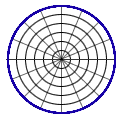 Omnidirectional
This patterns picks from a 360 degree radius it is sensitive to sound from all angles. This is useful for studio recordings where it's open and natural.They are also good when recording choirs and orchestras. They are also seen as good lavalier mics.
You would find lavalier mics being used on television and public speaking. They are very small and have a clip so you can fasten it on your clothes. Ominidirectional microphones are good because musicians can move their heads without the volume changing. But, they are not used in live performances because omnidirectional mics will pick up unwanted sound from the power amplifier system and cause feedback.
this is a lavalier microphone.

Unindirectional
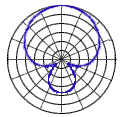
The has the cardioid pattern. It is heart shaped and sensitivity is only from one direction. Sound is picked up from the front but is picked up much less at the back and sides. A cardiod emphasises the sound of where is being pointed at. These microphones has a different purpose from ominidirectional and are generally hand held. Cardioid mics are used often in speeches and vocals as they don't pick up background sound. This helps as it avoids feedback in the monitor.
Hyper cardiod microphones is similar to the cardiod mic but it completely prevents picking up sound from the side and rear. They are also known as shotgun microphones.
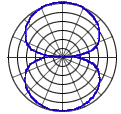
Bidirectional
This pattern looks like the number 8 and sound is picked up equally from two opposite directions. This microphone picks up sound from the front and the rear. These microphones do not react to sound pressure because the front and rear are equally sensitive. Bidirectional microphones are seen as vectors instead of transducer.
http://www.rode.com/blog/all/what-are-a-microphones-polar-patterns
The mixer is a electronic device and a fundamental source in music and it changes the dynamics and quality of an audio as well as combining audios. Mixer cans be used in many situations but most are typically found in recording studios. Mixer are outputs for cables and microphones.
There are two types of Mixers: Digital and Analogue.
https://en.wikipedia.org/wiki/Mixing_console
https://www.youtube.com/watch?v=7JP8K8IQ0ws
The Analogue mixer is a traditional mixer which has an outboard gear which makes the mixer harder to carry .This mixer sends the audio signal in it's original form. On the analogue mixer, all the features are labelled so it is recommended that those who are beginners use the analogue mixer.The reason why an analogue mixer needs a outboard gear is for the power amplifier.
However, the Digital mixer has the gear inside so it is smaller in size.This mixer is an electronic that using digital computers rather then analog signals. Digital mixers are on desks and are robust so they are not easy to break or damage. The digital mixer can be found in recording studios broadcasts, TV and film productions. Digital mixers can just be set up from the computer instead of the mixing console which helps with mobility as there is not a lot of equipment to navigate. The benefit of a digital mixer is that there is no added noise from the background or unappealing sounds like distortion.
https://en.wikipedia.org/wiki/Digital_mixing_console
Mixing Desk
On a mixer, the section where you put in cables is called the input or the pre-amp section. Going down the mixer vertically shows the channel strip. Each channel strip is the same apart from the master channel. Also channel strips are usually numberedGoing down a strip, there different knobs and buttons are there to give a specific effect. The order is generally the same on most mixers.
https://www.dawsons.co.uk/blog/the-mixer-and-its-feature
Gain pot- amplifies(gives power)
Auxiliary-sends audio signals elsewhere called be also called another output.
EQ- stands for equaliser. Emphasises or tones down the frequency.
Pan Pot- changes the direction of the sound in the speakers from left to right.
Amplifier- this is what gives power to the speaker. An external power amplifier is used for passive speakers as they do not have an amplifier internally like the active speaker.
NLR or ST: the button that tells the signal where it should go.
Solo: this is a button on the to play to single an audio.
Master Channel
The master channel is superior compared to the other channels.If the master channel is not on and working then the sound will not come out. The fader on the master channel should be up to U which stands for unity.
Speakers:
Speakers are electroacoustic transducers, meaning it changes electrical energy into sound energy and vibrations so we can hear the music. Most speakers have a speaker enclosure or cabinet which is a rectangular box made out of plastic or wood. The enclosure is essential as it plays a vital role in the sound quality. Speakers have dynamic drivers. Drivers are used to produce frequencies.
Tweeter
https://en.wikipedia.org/wiki/Tweeter
Mid- Range
Also known as a squawker makes sound in the frequency 250 to 2000Hz. Mid rangers are typically shaped like cones but they can also be dome or compression horn drivers.This driver is seen as the most fundamental part of the sound spectrum because the frequency range is where the majority of instruments and human voices fall into. The voice coil is attached at the neck of the loud speaker. These speakers are used in professional sound reinforcement.
https://en.wikipedia.org/wiki/Mid-range_speaker
Woofers
https://en.wikipedia.org/wiki/Woofer
Fleming's Left Hand Rule
This causes the coil to pushes or pulls against the cone.
Active and Passive Speakers
These speakers have many purposes,they are used in live music venues,computer speakers and dance events.

A passive speaker does not have an amplifier and it needs it's own separate power supply. Passive speakers only need to use a cable that transmit both audio and power. Home stereos and hifi speakers are usually passive.
https://www.electronichouse.com/home-audio/active-vs-passive-speakers-use/
How to connect a mixer to a passive speaker.
How to connector the mixer to the speaker correctly.
First thing is that the jack cable should come out the main output and then goes into the main output. The NL8 cable goes into the passive speaker.
This process is for making sure the audio signals is travelling to the passive speaker.
NLR- sends the signal to the channel selected, it is typically the master channel, so we know where the audio signals are travelling.
Make sure that the cables are slotted in correctly, a speak on cable has to be twisted to put it in properly.
Microphones
There are two types of microphones: dynamic and condenser microphones. They have different purposes based on the environment and their frequency levels. All microphones has directionality which describes microphone's sensitivity from different angles.
Dynamic Microphones
Dynamic microphones are the most standard microphone used by musicians. They do not need batteries or a power supply and are robust so they don't break easily as well as being resistant to moisture.This microphone does not pick up any frequency lower under than 20kHZ. They have a small diaphragm. Dynamic microphone convert sound energy into electric energy through electromagnetism.
https://www.neumann.com/homestudio/en/what-is-a-dynamic-microphone
Electromagnetism is the relationship of electric currents or magnetic fields. There are two categories which are the moving coil or the ribbon microphone.
https://en.wikipedia.org/wiki/Electromagnetism
Moving Coil Microphones ( Dynamic Microphone)
There is a coil glued to a transparent membrane and a permanent magnet that is around the coil. Sound waves travel through the microphone and the membrane moves along with the sound waves. The back of the coil also moves with the sound waves. The movement of the coil is proportional to the magnetic gap which creates a small voltage signal in the coil.
https://www.electronics-notes.com/articles/audio-video/microphones/moving-coil-dynamic-microphone.php
Voltage is the potential difference between two points in an electric field, In this case, it is the difference between the coil and the magnet.
These type of microphones are preferred to be used on stage because they are hefty and do not need an external power source.
this is a moving coil.Ribbon Microphones
Ribbon microphones also works by electromagnetism but there is a ribbon transducer that uses a thin sheet of aluminium. A transducer are devices that helps change an energy signal to another signal.
The membrane is the electrical conductor, the material that allows the electrical current to travel in several directions. The membrane moves inside the magnetic gap. Therefore it is able to follow the motion of the sound waves. Ribbon microphones have lower sensitivity and output than a moving coil. Ribbons are equally sensitive to the sound waves in both directions, the front and rear.
Unlike moving coil microphones, ribbon microphone are fragile and should be treated with care.
https://en.wikipedia.org/wiki/Ribbon_microphone
Condenser Microphones.
Condenser microphones are sensitive to loud sounds and vulnerable to breakage. They have a large output. Usually, condenser microphones are found in studios. However, you can also find these microphones in live music venues used as a drum overhead or in orchestral/choral performances. Condensers have large diaphragm. They are also known as capacitor microphones. The thin membrane must be electrically conductive and be close to a solid metal plate. The metal plate can be made out of thin metal foil or gold sputtered mylar.
The membrane moves back and forth proportionally to the metal plate when the sound waves hit the membrane, causing the distance between the plate to change.
The capsule is fragile and therefore needs power from an external source. Condenser microphones have are more sensitive than a dynamic microphone.
https://www.neumann.com/homestudio/en/what-is-a-condenser-microphone
Polar Patterns
Polar patterns tells us how microphones pick up sound. In microphones, there are 6 polar patterns that are mainly recognised. Knowing a microphones polar pattern makes you understand their specific application.
http://www.akglife.com/polar-patterns--part-1-omnidirectional--technology
This patterns picks from a 360 degree radius it is sensitive to sound from all angles. This is useful for studio recordings where it's open and natural.They are also good when recording choirs and orchestras. They are also seen as good lavalier mics.
You would find lavalier mics being used on television and public speaking. They are very small and have a clip so you can fasten it on your clothes. Ominidirectional microphones are good because musicians can move their heads without the volume changing. But, they are not used in live performances because omnidirectional mics will pick up unwanted sound from the power amplifier system and cause feedback.
this is a lavalier microphone.
Unindirectional
The has the cardioid pattern. It is heart shaped and sensitivity is only from one direction. Sound is picked up from the front but is picked up much less at the back and sides. A cardiod emphasises the sound of where is being pointed at. These microphones has a different purpose from ominidirectional and are generally hand held. Cardioid mics are used often in speeches and vocals as they don't pick up background sound. This helps as it avoids feedback in the monitor.
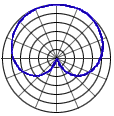
Hyper cardiod microphones is similar to the cardiod mic but it completely prevents picking up sound from the side and rear. They are also known as shotgun microphones.
Bidirectional
This pattern looks like the number 8 and sound is picked up equally from two opposite directions. This microphone picks up sound from the front and the rear. These microphones do not react to sound pressure because the front and rear are equally sensitive. Bidirectional microphones are seen as vectors instead of transducer.
http://www.rode.com/blog/all/what-are-a-microphones-polar-patterns
Comments
Post a Comment